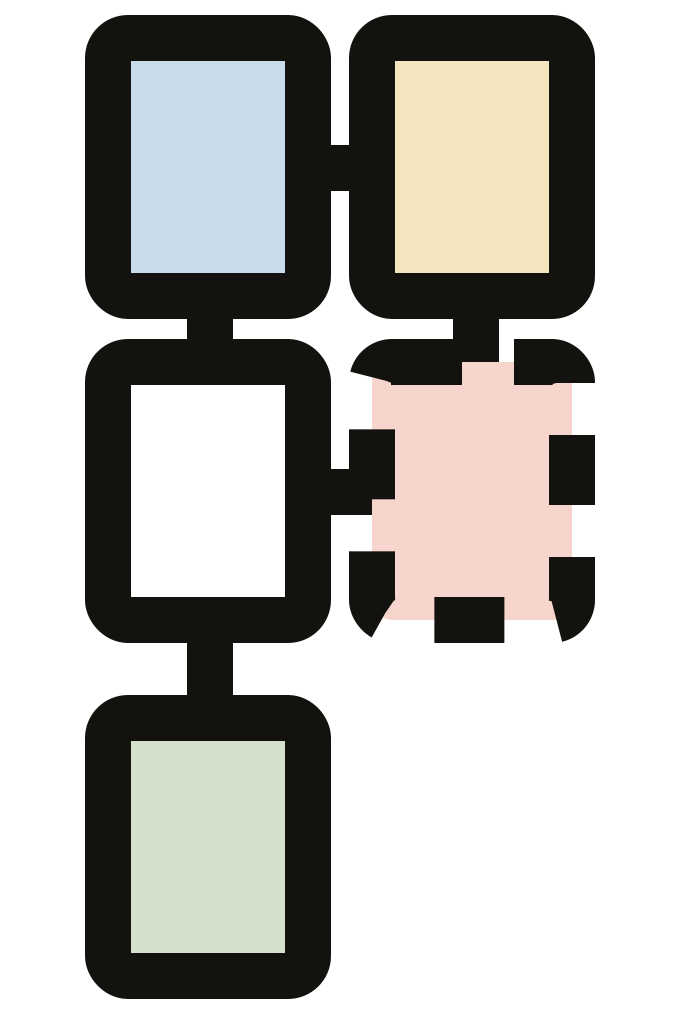
Find the documents your terms name but nobody published
If you read twelve pages one at a time, you won't see where page three and page nine disagree. Paradraw reads them as one set, and every gap it finds links back to the clause that produced it.
79 companies drawn so far, every one free to read.
has not been drawn. Try a domain.
- companies drawn79
- legal documents read1,532
- named, not published580
- clauses, each one quoted117,030
Drawn so far
All of them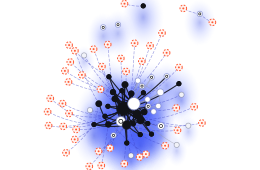

The contradictions sit between the documents
Read the terms and they look fine. Read the DPA and it looks fine too. The trouble is in the links between them: a liability cap the SLA undercuts, a governing law that differs between terms and privacy policy, an order of precedence nobody spotted, a sub-processor list the DPA promises and nobody put online.
- Your own terms were written by several firms over several years, and nobody owns the whole set.
- A supplier’s terms sit across several URLs, so each reviewer reads a different subset and reaches a different answer.
- A client’s first read eats the budget before the advice starts.
So the gap turns up in an audit or in a prospect’s redline, when it is no longer cheap to fix.
What it draws
Give it a company. Get back a map.
- 1
It reads what anyone can read
Point it at a company’s public legal pages. No login, no cooperation from the vendor, no waiting on their sales team. You can upload a PDF or paste text for anything it could not reach. Whatever it could not read is marked unread, never guessed.
- 2
It checks every reference and clause
Every clause is read against a named standard, so you always know the basis. GDPR articles and other public instruments resolve to what they are, rather than coming back as documents the company failed to publish.
- 3
You get the map and a findings list
Every conflict quotes at least two clauses word for word. Every absence says where it searched. The structural read takes seconds; the cross-document reading takes minutes.
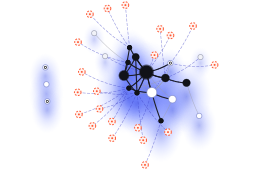
A memo tells you. A map shows you, and links every line back to the clause.
Built for anyone who has to read the whole set

Your own terms, before a buyer's lawyer reads them
When three firms wrote your terms over five years, nobody owns the whole set. See it in one picture, get a short list of gaps to fix before the next enterprise deal, and run the check again to show each fix is closed.
Read more →
A supplier's terms, before you sign
Review a vendor's terms of service without waiting for their sales team. Check that the DPA and other documents they point to actually exist, and keep a record of what the terms said on the day you reviewed them.
Read more →
The first reading done before your first billable hour
Stop spending a client's budget on the first read. Every finding is tied to its clause, so your advice is quick to back up, and the list you hand over keeps the link to the source text.
Read more →Same map, same method, whichever side of the contract you sit on.
Every finding points to the clause behind it
Check it, don’t trust it
A conflict finding quotes the exact text of at least two clauses, so you can disprove it in seconds if it is wrong.
Observations, not conclusions
Findings say what documents say and what follows commercially, never a legal conclusion.
Unread is reported, not guessed
If a page could not be read, the findings it would have answered are held back. Where too little was read, no score is published at all.
You can see which findings to check first
Some findings are exact — a missing document, a broken reference — and cannot be wrong. Others call for judgement, and are marked so you know where to look hardest.
It reads more than English
Clause topics are read for what they mean, not matched by English keywords, so a Swedish or French estate gets the same cross-document reading as an English one.
A right of reply
Every public page gives the company a way to put its answer on the record, unedited.
A false positive costs you an hour, so every finding brings its evidence with it.
It quotes the clause. The judgement stays with you.
Nine things people ask before they hand us a domain.
Paradraw reads the legal documents a company publishes on the open web: terms of service, privacy policy, DPA, sub-processor list, acceptable use policy and SLA. It reads public pages only, nothing behind a login, so the company does not need to cooperate. You can also upload a PDF or paste the text of a document it could not reach. Any page it could not read is reported as unread rather than guessed at.
No. Paradraw reports what documents say and how they relate: what incorporates what, what outranks what, and where they conflict. It never states that anything is unlawful or non-compliant. Every finding quotes its clause, so the judgement stays with you or your lawyer.
Paradraw reads clauses from different documents side by side and reports pairs that would give a reader two different answers to the same question — a liability cap in the terms against a different one in the SLA, or a governing law that differs between two documents. Each conflict finding quotes at least two clauses word for word.
Yes. A Swedish, German or French set of terms gets the same cross-document reading as an English one.
Yes. When a company’s own terms name a DPA, a sub-processor list or a transfer mechanism, Paradraw looks for it and reports an absence if it cannot find one, naming exactly where it searched. Citations to public instruments such as GDPR articles are recognised as what they are, so they are not reported as documents the company failed to publish.
You can draw a supplier again whenever you like, and every draw is kept as a dated record of what their terms said on the day you reviewed them. Automatic change alerts are not available yet.
A named standard for EU business-to-business software. How serious a finding is depends on the jurisdiction and on who is buying, so the standard is named on every report rather than left implicit. Most findings do not rest on the profile at all — they are evidenced by the company’s own clauses.
The structural read — the map, every document typed, every relationship between them, and the findings that follow from the company’s own text — takes seconds. The cross-document reading takes minutes, because each page is fetched and rendered in a real browser first.
Every public page gives the company a way to put its answer on the record, unedited. Public pages show what was published and what is missing; the full reading stays private to accounts. Where Paradraw read too little of an estate it publishes no score at all.
See a drawn estate, then ask for yours
79 companies have already been drawn from their public pages. None of them is a Paradraw customer, and each can reply on the record. Browse the directory to see what a map looks like, then ask for access to draw your own terms, a supplier’s or a client’s.
Paradraw reports what the documents say. It is not legal advice.