Bill for the issues, not for the first read
A contract review tool for law firms, paralegals and independent consultants who review published terms for several clients at once.
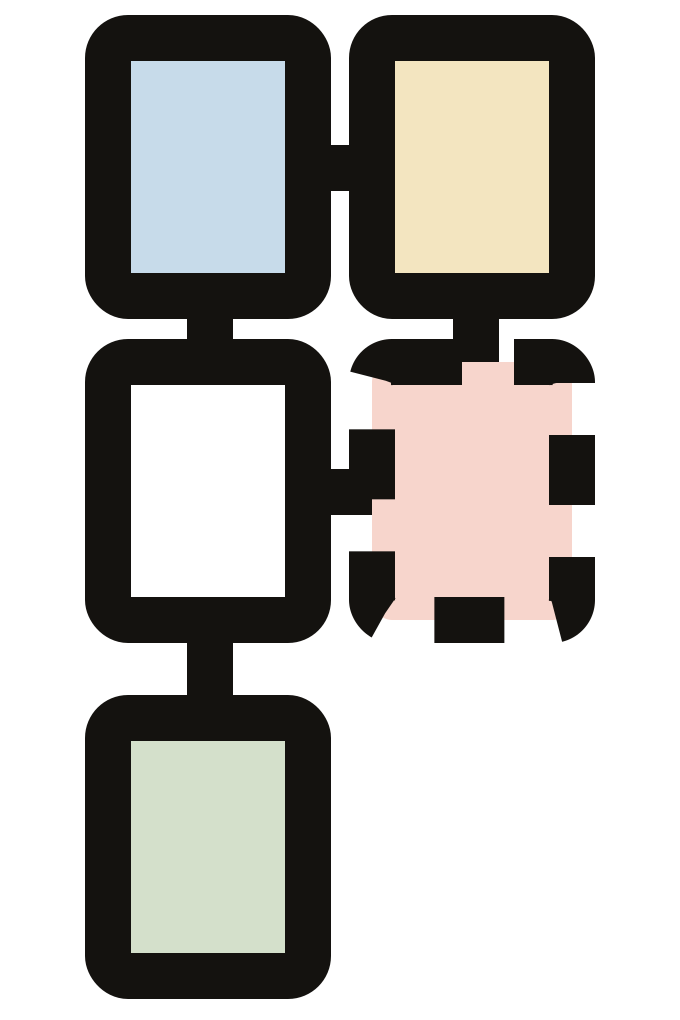
A client's terms usually run to a dozen documents, and the contradictions tend to sit between them. Paradraw draws the whole set: documents the terms name but nobody published, what incorporates what, what takes precedence, and where two clauses say different things. Every point links back to its clause.
The map is drawn before the clock starts, so your billed time goes on advice.
The first read eats the budget
The terms cite a DPA, which cites a sub-processor list, which cites an acceptable use policy. Mapping that chain is the hardest hour to bill.
The mapping comes out of the fee
Working out what refers to what has to happen. Nobody wants to pay for it.
A wrong finding costs an hour
Report a document as unpublished when it is live on the client's site, and checking it takes an hour. The client remembers it for longer.
A memo loses the clause
Prose findings lose the link to the text. The client asks "where does it say that?" and you start searching again.
From URL to cited findings in three steps
- Public pages need no login and no cooperation from the company, so a counterparty's terms work as well as your client's. For unpublished drafts, upload PDF, Word, HTML or text, up to 4 MB.
- In one to ten minutes, documents appear as they're read, links draw in, and unpublished documents show as dashed outlines. You see the shape before you open a clause.
- Each conflict quotes at least two clauses word for word. Each absence states where it searched. You verify in seconds and hand the client a list they can act on.
Findings you can put your name to
No clause, no finding
A conflict carries at least two citations with the exact quoted text. You confirm it against the source, and the client sees where each point comes from.
Unpublished documents lead
The report opens with documents the terms name but nobody published. GDPR articles, ICANN policies and similar public instruments resolve as citations, not false gaps.
Observations, never conclusions
Findings say what the documents say, never a legal conclusion. The conclusion stays yours.
The same method, whoever runs it
Every client's terms are read the same way, against a named standard, so your findings are comparable from one client to the next.
A crawl failure is not a gap
A page that renders client-side, returns a 403 or won't parse is marked unread. The findings it would have answered are held back, not guessed.
Tracked changes, reasons in the margin
For a client's uploaded drafts, accept, amend or reject each drafted change one at a time. Accepted changes become a numbered revision you download as clean or tracked-changes Word.
Swedish terms read like English ones
Clients with Swedish, German or French terms get the same cross-document reading as clients with English ones.
Seventy-nine companies, already drawn
79 public sets are drawn in the directory, among them Atlassian, Brex, Salesforce, Shopify and Twilio. Each page lists what's published, what's named but not published, and how they connect.
Straight answers on scope, privacy and price
Yes. Paradraw is a contract review tool for law firms, paralegals and independent consultants who review published legal documents. Rather than summarising one agreement, it reads a company's whole set and draws incorporation, precedence, conflicts and documents named but never published. Every finding quotes the clause behind it, so you can verify it before it reaches a client.
Yes, for the counterparty's published terms. Paradraw reads public HTML only and needs no login or cooperation from the company, so a counterparty's legal pages can be drawn as part of legal due diligence. The fix workspace is only for documents you upload yourself, not for counterparty paper under negotiation or signed contracts.
The whole published set, not only the terms: the references between documents, the documents the terms expect but nobody published, which document takes precedence, and where clauses contradict each other. Each report names the standard it was read against, because how much a finding matters depends on jurisdiction and buyer.
No. Paradraw records what documents say and what follows commercially. It never concludes that anything is unlawful or non-compliant. Paradraw does the structural reading and quotes the source text; the professional judgement stays with you.
Uploaded documents are drawn privately, visible only to your account, and never appear in the public directory or the sitemap. They are stored in Stockholm, and you can delete an upload, or your whole account, at any time. The providers that help run the service are listed on our sub-processors page.
Paradraw reports the page as unread and holds back any findings that page would have answered. That covers pages that render client-side, return a 403 or can't be parsed. If too little was read, no score is published. You won't flag a missing document that was really a page the crawler couldn't open.
Paradraw's Free tier costs €0 and includes the drawing, every count and every structural finding. Pay as you go tops up your balance and shows the price of each draw before you spend. Pro is €39 a month and adds the cross-document readings and the Fix workspace; Portfolio is €399 a month. Accounts are invite-only, so start by asking for access.
Draw your next client's terms first
Start the next review with the set drawn, unpublished documents outlined and every finding tied to its clause. All before the first billable hour. Accounts are invite-only. Paradraw is built by Upstrat Lab AB in Gothenburg, Sweden.